
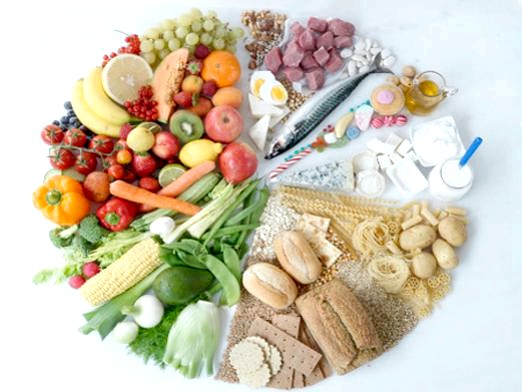
 A proper eating pattern is important for a person with cancer. The patient should eat food rich in vitamins and protein at least 4–6 times a day, paying attention to the variety and taste of the meals.
The diet is prescribed according to the stage of the disease and the type of tumor. In a precancerous condition, for example, a well-chosen diet can keep the patient’s immune system at a level where tumor development may be slowed down or even halted for a long time.
To achieve this, the patient first of all needs to normalize body weight (lose excess weight in case of obesity, or gain weight if underweight). The patient should focus on eating a complete, nourishing diet. This applies above all to protein intake (it must be sufficient, which is extremely important for maintaining immunity). It is also necessary to consume enough substances with antioxidant properties. Because neutralizing the carcinogens that enter the human body increases the formation of free radicals, this places a carcinogenic load on the liver and other organs that neutralize and eliminate these carcinogens. It is antioxidants (vitamins C and E, bioflavonoids such as quercetin, catechins, folic acid, etc.) that help the body fight carcinogens with the least strain on it. That is why blueberries, leafy greens, all kinds of cabbage, onions and apples are good for patients.
For example, eating all kinds of cabbage, especially broccoli, helps prevent breast cancer. Animal fats, on the other hand, should be kept to a minimum. To prevent stomach cancer, it is recommended to eat as many vegetables and fruits containing vitamin C as possible. Measures to prevent colon cancer include normalizing bowel movements and eliminating dysbiosis (of course, diet is especially important here).
Scientists link cancer of the esophagus, pancreas and liver to the abuse of alcoholic drinks and beer. Draw your own conclusions, as they say.
If the tumor has reached the clinical stage of the disease, radical treatment is needed to get rid of the tumor, which exhausts the body by taking away everything valuable and useful. After all, the tumor grows at the expense of our body, “consuming” a lot of glucose, vitamins and so on, causing considerable harm and even showing voracity. And given that cancer cells are young and immortal (this is what distinguishes them from the normal cells of the human body, which have their own life cycle and a natural program of “dying”), it is easy to understand why people with cancer lose weight and appetite, become pale, and so on.
Therefore, after radical treatment (surgery, radiation, chemotherapy), a person with cancer needs restorative treatment, which includes a complete, nourishing diet. The person needs to restore the immune and other systems by eating high-quality natural foods that contain protein, vitamins and antioxidants. These are dairy products, fish, meat, vegetables, fruits, juices, vitamin supplements and various herbal extracts. Nutrition should be balanced and varied throughout life. In general, we should always take care to eat healthily. This is what allows us to keep our body, and our immune status in particular, in full combat readiness. Every day, mutant cells form in the body that can trigger the development of a malignant tumor. But our immune system tirelessly blocks this mechanism (as long as it has the strength to do so).
That is why it needs every possible support, including a complete, nourishing diet.
People with cancer should remove carcinogenic foods from their diet: sausages, smoked foods, industrially processed foods, fried dishes, and foods containing preservatives and food additives. And, of course, they should not smoke or drink alcohol.
R. S. Kozachok, surgical oncologist, Sumy Regional Clinical Oncology Center